Service Dog Vest vs Cape
The honest answer to the legal half of this question is that it does not matter. The practical half — heat, coverage, where patches go — genuinely does, and nobody covers it.
The short answer. Legally, there is no difference, because there is no legal requirement to begin with. The Department of Justice does not require a service animal to wear or carry anything — no vest, no cape, no patch, no ID card, no registration. Choose on heat, coverage and how much patch area you need.
The legal position, which is shorter than people expect
- A service animal under the ADA is a dog individually trained to do work or perform tasks for a person with a disability, where the task is directly related to the disability.
- No equipment is required. Not a vest, not a cape, not a harness, not a tag.
- There is no federal certification or registration. The online registries selling ID cards, certificates and numbered vests are selling documents the DOJ does not recognize. A vest bought from one confers nothing.
- Staff may ask two questions where the service is not obvious: is the dog a service animal required because of a disability, and what work or task has it been trained to perform. They may not ask about the disability, require documentation, or ask for a demonstration.
Which leaves the real reason handlers buy either shape: visible equipment changes how the public behaves. Fewer strangers reach for the dog, fewer children run at it, fewer conversations start, fewer people ask. That is worth a great deal to a working team, and it is a practical benefit rather than a legal one.
Vest vs cape, on the things that differ
| Vest | Cape | |
|---|---|---|
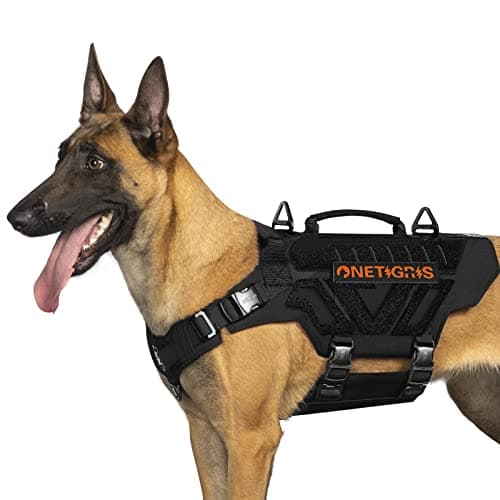
| Shape | Wraps the chest and barrel; buckles or velcro under the belly | Drapes over the back; girth strap, open sides and belly |
| Heat load | Higher — covers more of the barrel, less airflow | Lower — open sides, no chest panel |
| Stays put | Better; less rotation on an active dog | Can slide and rotate, especially on a deep-chested dog |
| Patch area | More, and at eye level from the side | Good on the back, less on the flanks |
| Pockets / cards | Usually yes | Often none |
| Best for | Cool climates, long public-access shifts, teams who carry cards | Hot climates, heavy coats, short trips |
Heat is the deciding factor for most teams
This is the practical thing that gets left out of every vest-versus-cape article. A dog working a full day indoors and out is carrying an extra layer over its barrel, and the barrel is where a dog sheds a large share of its heat.
A cape leaves the sides and belly open. A vest does not. In a hot climate, on a double-coated dog, or on any dog working long shifts in summer, that is not a small difference — and it is the reason many handlers own both and swap by season.
The third option: neither
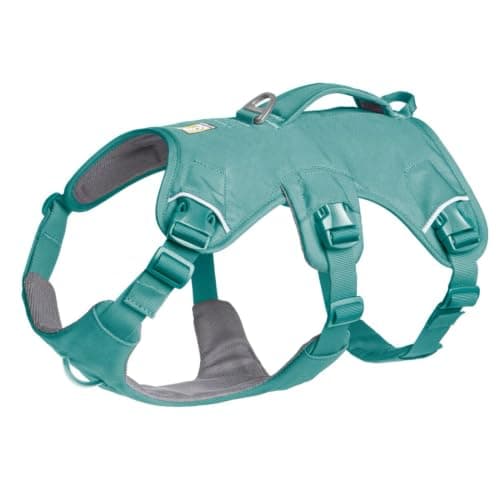
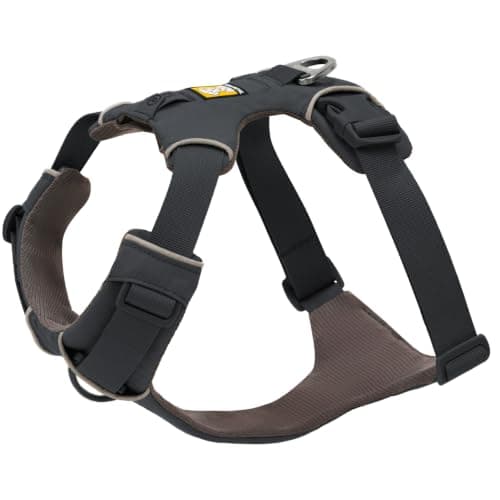
A working control harness with a patch panel does both jobs — it carries the visual message and it is load-bearing equipment you would want anyway. For most teams that is the tidier answer than owning a harness and a separate cape over the top of it.
We rank the harnesses that do this, and go through what to look for in hardware, in the best service dog harnesses.
On the “fake vest” question
A large amount of the search traffic around this topic is people trying to work out whether somebody else’s dog is legitimate. Two things are true at once and both are worth saying:
- You cannot tell from the vest. Anyone can buy any vest, patch or “certificate” online in five minutes. Equipment is not evidence, in either direction — and a genuine service dog wearing nothing at all is entirely lawful.
- Behavior is the signal, and businesses already have a remedy. The ADA does not require a business to keep an animal that is out of control and not effectively controlled by its handler, or one that is not housebroken. That standard applies to a dog in a $200 vest exactly as it does to a dog in nothing.
Patches, and what they are for
Patches are not legal documents and no wording on them creates or removes a right. They are a communication tool, and the useful ones are the ones that change stranger behavior:
- DO NOT PET. The single most useful patch on any working dog, service or not.
- WORKING — DO NOT DISTRACT. Slightly softer, and it explains rather than instructs, which some handlers find gets a better response.
- ASK TO PET. For teams that are happy with interaction on their own terms.
Avoid patches that assert legal status — “CERTIFIED”, “REGISTERED”, an ID number. There is nothing behind them, and they invite exactly the argument you are trying to avoid.
Fit rules that apply to both
- Nothing in the armpit. The most common rub point on any dog-worn equipment, and it goes from bald to raw quickly on a dog working full days.
- Two fingers under every strap, checked after the first full shift rather than the first week.
- Off duty means off. Continuous wear is how pressure sores start. Both a vest and a cape are equipment, not clothing.
Measuring properly is covered in how to measure a dog for a harness.
Frequently asked questions
Is a service dog vest or cape legally required?
Neither. The Department of Justice does not require a service animal to wear or carry anything under the ADA — no vest, no cape, no harness, no patch and no ID card. Handlers use them because visible equipment changes how the public behaves: fewer strangers reach for the dog and fewer conversations start. That is a practical benefit, not a legal one.
What is the difference between a service dog vest and a cape?
A vest wraps the chest and barrel and fastens under the belly; a cape drapes over the back with a girth strap and open sides. The vest stays put better on an active dog and gives more patch area at eye level from the side, and usually has pockets. The cape runs significantly cooler because it leaves the sides and belly open, which is why many handlers own both and swap by season.
Can staff ask to see a service dog's certification?
No. There is no federal certification or registration for service animals in the US, and the online registries selling ID cards and certificates are selling documents the DOJ does not recognize. Where the service is not obvious, staff may ask exactly two questions: is the dog a service animal required because of a disability, and what work or task has it been trained to perform. They may not ask about the disability or demand paperwork.
How can you tell if a service dog vest is fake?
You cannot tell from the vest, and that cuts both ways — anyone can buy any vest, patch or certificate online in minutes, and a genuine service dog wearing nothing at all is entirely lawful. Equipment is not evidence. Businesses already have the remedy they need in behavior: the ADA does not require them to keep an animal that is out of control and not effectively controlled by its handler, or one that is not housebroken.
Which patches should go on a service dog vest?
The ones that change stranger behavior: 'DO NOT PET' is the most useful patch on any working dog, with 'WORKING — DO NOT DISTRACT' as a softer alternative that explains rather than instructs. Avoid patches asserting legal status — 'CERTIFIED', 'REGISTERED', an ID number — because there is nothing behind them and they invite exactly the argument you are trying to avoid. No wording on a patch creates or removes any right.
Is a harness better than a vest for a service dog?
For most teams, yes — a working control harness with a patch panel does both jobs at once. It carries the visual message and it is load-bearing equipment you would want anyway, which is tidier than a harness with a separate cape over the top. The exception is a mobility or counterbalance harness, which we would not buy off a marketplace: the fit has to be assessed on the individual dog and no listing publishes a rigid-handle load rating.
Sources
Every spec on this page traces to one of these. Where a manufacturer does not publish a figure, we say “not published” rather than estimating it.