Dog Car Harness vs Crate
Both have certified options. The right answer depends on your car, your dog's weight, and one question most people never ask.
The short answer. A certified crate in the cargo area of an SUV or wagon is the strongest option available, and it is the only one that works for a dog over 110 lb. A certified harness is the right answer in a sedan, in a car with no cargo area, or when the dog rides on the back seat. Both have certified options; most products in both categories do not.
The question nobody asks: what is it anchored to? A certified crate strapped to an unrated cargo anchor is not a safety system. More on that below, because it is where most of this goes wrong.
There is a third option, and only for small dogs. Under about 25 lb a certified enclosed carrier belted onto the back seat is a genuine alternative to both, and it is the only weight band where that is true. We rank the certified ones, with the tested weight on each certificate, in the best dog car seats.
Side by side
| Crash-tested harness | Crash-tested crate | |
|---|---|---|
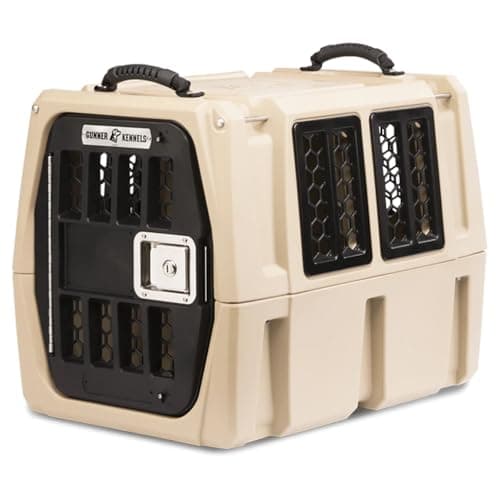
| Certified options | 3 (both Sleepypods, Saker Bomber) | 9 size-specific entries (Gunner, Lucky Duck, Cabela’s, Rock Creek) |
| Max certified weight | 110 lb (Clickit Range only) | 110 lb (Lucky Duck Large only) |
| Where it goes | Back seat, using the car’s seat belt | Cargo area — needs an SUV, wagon or truck |
| Fits any car? | Yes | No — a sedan usually cannot take one |
| Cost | Around $100–200 | Often $500–1,000+ |
| Depends on your car | Seat belt — engineered and rated for a human | Cargo anchors — often NOT rated for crash forces |
| Containment after a crash | Dog is restrained but exposed | Dog stays contained — better for first responders |
| Fit sensitivity | High — a badly fitted harness is not a certified harness | Low — the dog just has to fit inside |
The anchor problem — the real difference
Here is the argument that actually separates them, and it has nothing to do with the products.
A harness works through your car’s seat belt. A seat belt is engineered, regulated and rated to restrain an adult human in a crash. It is the single most thoroughly tested component in your car.
A crate works through your car’s cargo anchor points. And CPS is blunt about those: “Cargo area anchors are not always weight-rated for the forces generated in an accident.” They advise owners to verify anchor strength with the vehicle manufacturer and to use strength-rated straps.
So the crate is the stronger box, attached to the weaker anchor. The harness is the weaker restraint, attached to the stronger anchor. Whether the crate’s advantage survives depends entirely on your specific car — and that is a question only your car’s manufacturer can answer.
There is a third format in this comparison for a small dog, and it is the one with the certification behind it. Dog car seat vs harness covers where an enclosed, certified seat beats a harness and where it stops.
Which should you buy?
Buy a certified crate if: you drive an SUV, wagon or truck with a genuine cargo area; your dog is large; you want the dog contained after a crash (which also matters for first responders, who cannot treat you if a frightened dog is loose in the wreck); and you are willing to confirm your cargo anchors are up to it.
Buy a certified harness if: you drive a sedan or hatchback; your dog rides on the back seat; you need something that moves between cars; or the cost of a certified crate is genuinely out of reach. A $110 Clickit Sport that you actually use beats a $900 crate you did not buy.
Do not: use a wire crate as a car restraint (CPS: they “will not provide significant protection in the case of an accident”); add an extension tether to a certified harness (CPS: add-ons “cancel out any crash-protection benefit”); or assume that because a brand is certified in one size, your size is certified.
If your dog is very large
Above 90 lb your options collapse to two products, in the whole world: the Sleepypod Clickit Range (certified at 110 lb) and the Lucky Duck Lucky Kennel in Large (certified at 110 lb). There is no certified crate above 110 lb and no certified harness above it either.
If your dog is heavier than that, be honest with yourself: you are outside the tested range, and no product on the market has independent evidence for your dog. Choose the sturdiest option, anchor it properly, and understand what you do and do not know.
The full detail on how certification works is in our CPS explainer.
There is a second comparison sitting underneath this one. Having chosen a harness over a crate, most people then want one harness for the car and the walk, and that is a separate decision with a separate answer — including why an earlier version of one popular dual-use harness recorded catastrophic failures in independent testing. It is on dog car harness vs walking harness.
And if your dog is at the top of the weight range, the harness side of this comparison narrows to a single product and then disappears: one certified harness reaches 110 lb and nothing exists above it, which is what pushes a giant-breed owner towards a certified crate. The weight-by-weight version is on is there a crash-tested dog harness for large dogs.
Frequently asked questions
Is a dog crate or harness safer in a car?
Both have crash-certified options and both work. A certified crate in a cargo area is the stronger structure, but it depends on your car's cargo anchors — which CPS warns 'are not always weight-rated for the forces generated in an accident'. A certified harness uses the car's seat belt, which is engineered and regulated to restrain an adult human. The crate is the stronger box on the weaker anchor; the harness is the lighter restraint on the stronger anchor.
Can I use a dog crate in a sedan?
Usually not. Crash-certified travel crates are designed for the cargo area of an SUV, wagon or truck, and need strength-rated anchor points. In a sedan or hatchback with no cargo area, a certified harness used with the car's seat belt is the practical option.
What is the safest option for a 100 lb dog in a car?
Your options are extremely limited. Only two certified products exist above 90 lb: the Sleepypod Clickit Range harness (certified at 110 lb) and the Lucky Duck Lucky Kennel in Large (certified at 110 lb). Nothing else on the market has independent certification at that weight.
Do I need to check my car's anchor points for a dog crate?
Yes. The Center for Pet Safety advises verifying cargo anchor strength with your vehicle manufacturer and anchoring crates with strength-rated straps, warning that cargo anchors 'are not always weight-rated for the forces generated in an accident'. A certified crate attached to an anchor that tears out of the floor provides no protection.
Sources
Every spec on this page traces to one of these. Where a manufacturer does not publish a figure, we say “not published” rather than estimating it.
- Center for Pet Safety — the CPS Certified product list
- CPS — cargo area connection advisory (your car's anchors are not rated by CPS)
- CPS 2015 Crate Study — wire crates are not crash protection
- CPS — extension tether advisory (add-ons cancel out crash protection)
- CPS — Sleepypod Clickit Sport certification (per-size weight ratings)
- Lucky Duck — Lucky Kennel Large (CPS 5-star; the only kennel rated to 110 lb)
Related
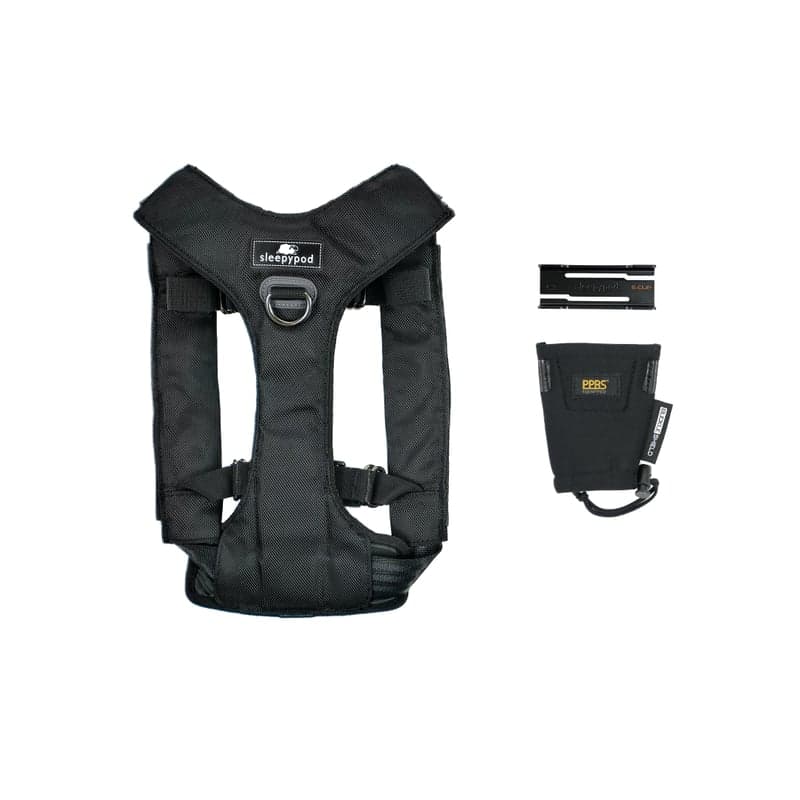 Is There a Crash-Tested Dog Harness for Large Dogs?
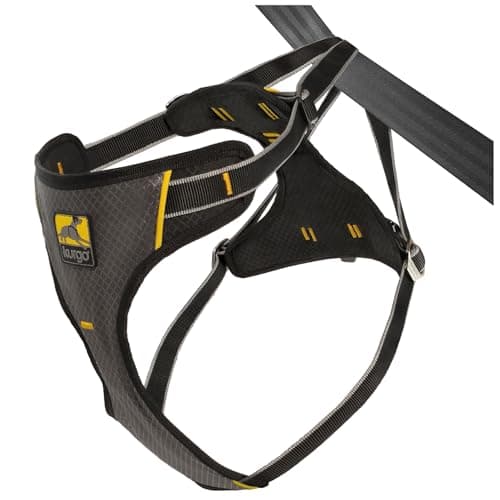 Dog Car Harness vs Walking Harness
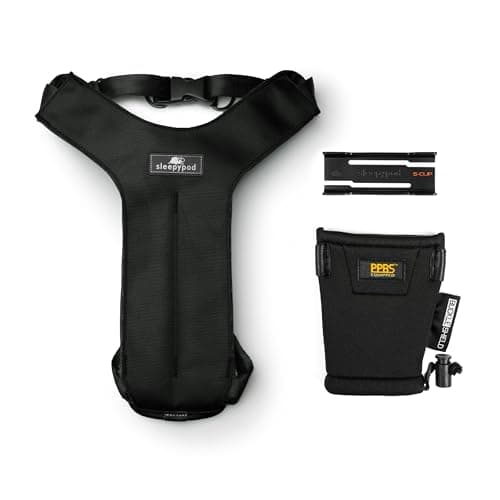 Dog Car Restraint Laws in the United States
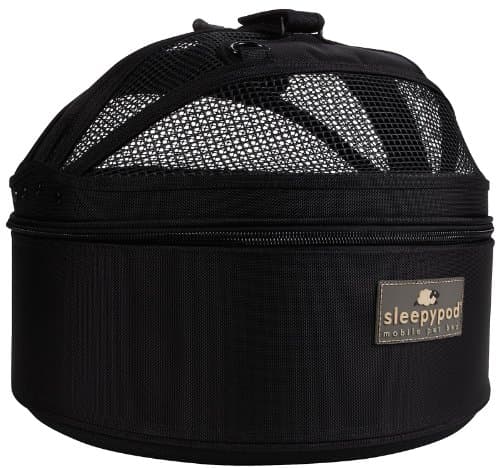 The Best Dog Car Seats
 The Best Dog Cargo Liners
 The Best Crash-Tested Dog Crates
- The Best Crash-Tested Dog Harnesses
- What CPS Crash Certification Actually Covers
 The Best Dog Car Barriers