Harnesses, Leashes & Collars
This is the gear your dog wears every day, and it is the gear most reviews get wrong — because they score it on how easy it is to put on rather than on whether it will hold.
What we score here: Hardware quality and material durability. Buckles, rings, webbing and load ratings — and which brands are willing to publish them. See the full rubric.
Ranked roundups
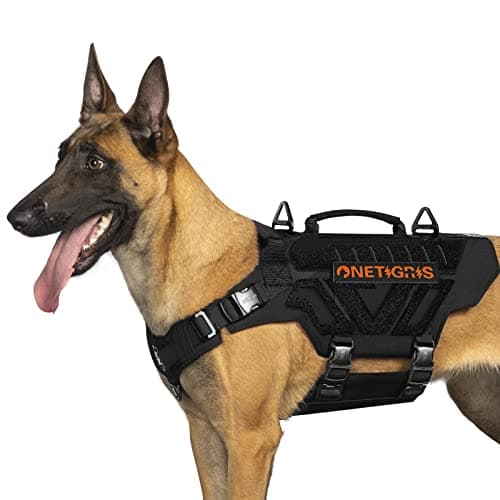
The Most Durable Dog Harnesses
Eight harnesses scored on hardware, not convenience. The winner is the only one that publishes a load rating.
Read the roundup →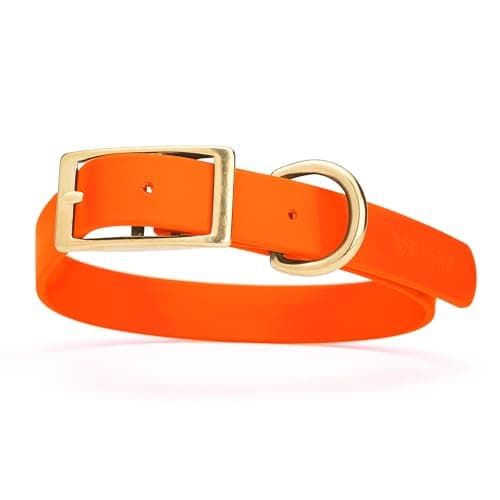
The Most Durable Dog Collars
Nine collars scored on materials and hardware. Biothane wins for filth and water; full-grain leather wins for life.
Read the roundup →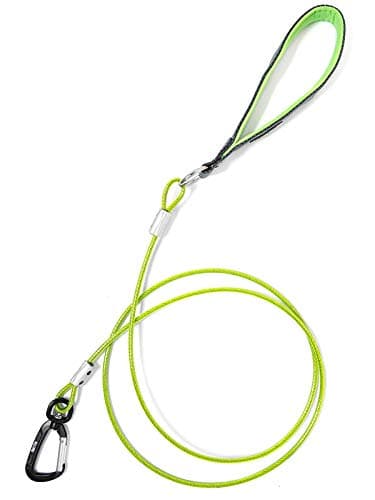
The Best Heavy-Duty Dog Leashes
Seven heavy-duty leashes scored on hardware and warranty. Steel cable for chewers; biothane for filth.
Read the roundup →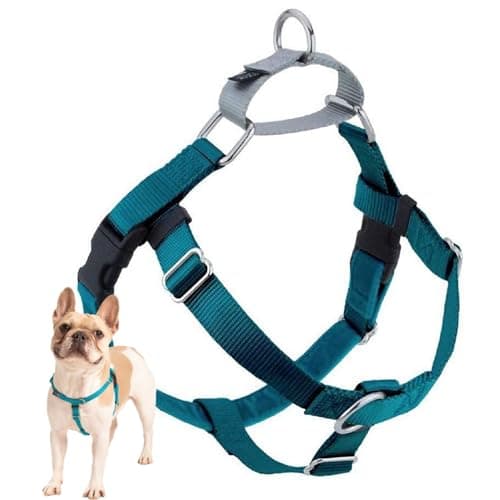
The Best No-Pull Dog Harnesses
Seven no-pull harnesses scored for durability, not just for whether they stop the pulling.
Read the roundup →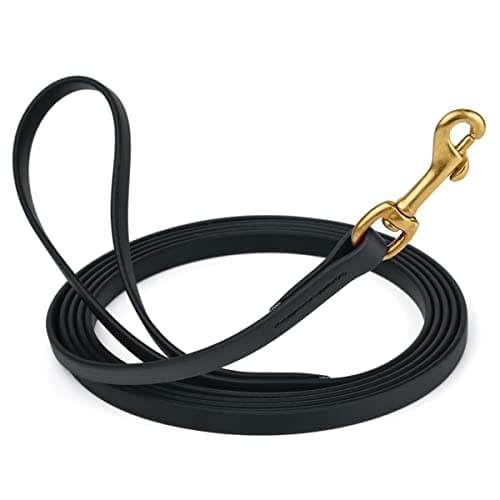
The Best Biothane Dog Leashes and Long Lines
Biothane long lines scored on the material's real published specs — and the slipperiness nobody warns you about.
Read the roundup →The Best Tactical Dog Harnesses
Six tactical MOLLE harnesses scored on hardware, not looks. Only one publishes a load rating — and it is the one that wins.
Read the roundup →The Best Dog Long Lines
Rope versus biothane for recall work. Biothane is the only material with a published break strength; rope is the only one you can hold safely bare-handed.
Read the roundup →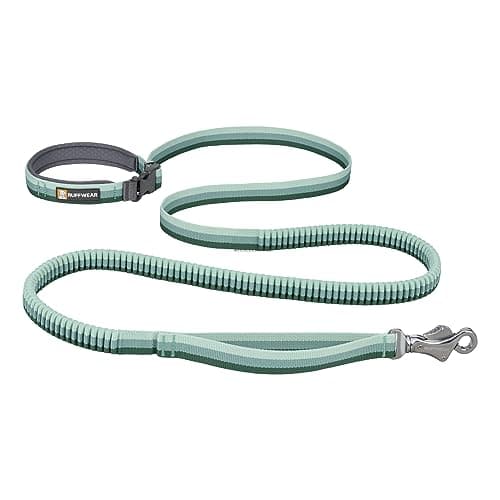
The Best Hands-Free Dog Leashes
Five belt leashes scored on webbing, belt width and bungee. Ruffwear publishes its webbing to the percentage; nobody publishes a clip rating.
Read the roundup →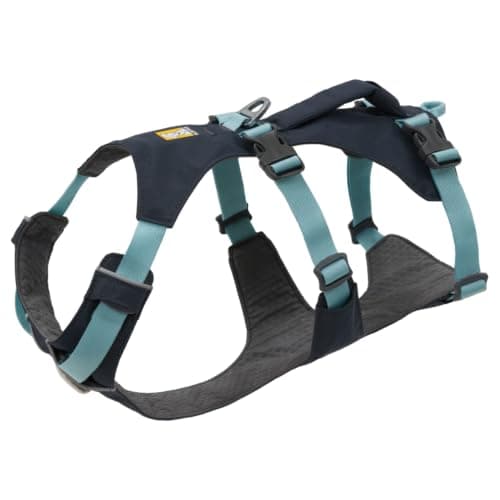
The Best Escape-Proof Dog Harnesses
A third strap behind the ribcage is the only structural answer to a dog that backs out. Six harnesses scored on strap count and adjustment.
Read the roundup →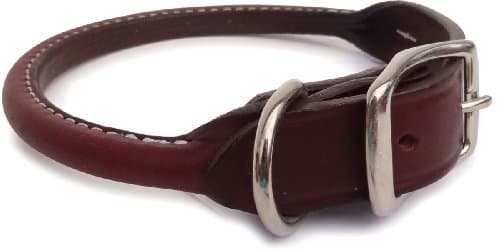
The Best Leather Dog Collars
Four leather collars scored on construction and hardware, because grade — the spec that actually matters — is published by nobody.
Read the roundup →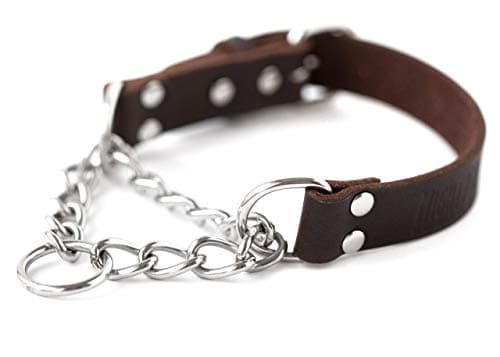
The Best Martingale Collars
Limited-slip collars scored on ring material and loop construction. What a martingale is, what it is not, and when it is the right tool.
Read the roundup →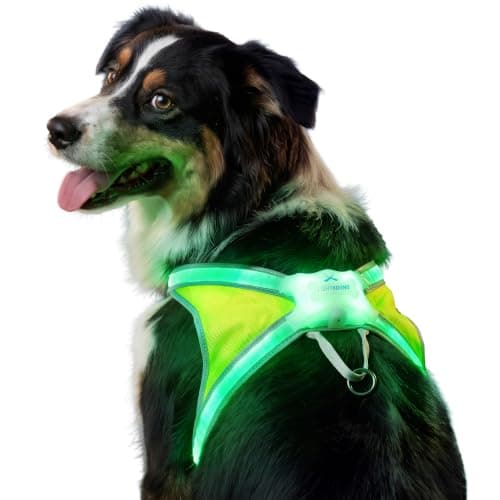
The Best Reflective and Lighted Dog Collars
Reflective versus illuminated is the whole decision. Four products scored on how visible they actually make a dog, and when.
Read the roundup →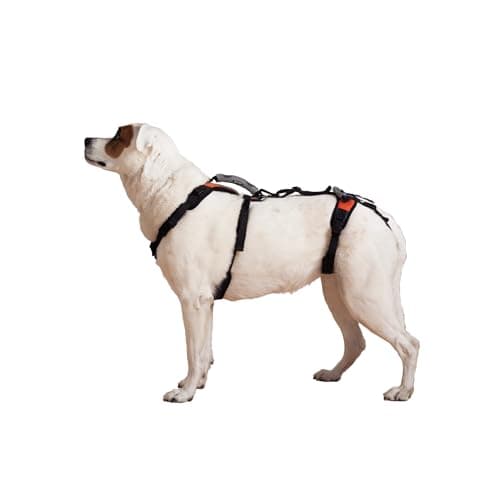
The Best Dog Lifting and Support Harnesses
Support harnesses for senior and post-operative dogs. No product in the category publishes a lift rating — scored on support geometry instead.
Read the roundup →Heavy-Duty Dog Collars for German Shepherds
Five collars judged against a shepherd's double coat and 18–24 in neck. Rolled leather is the answer nobody gives, and Auburn is the only maker here that names its leather grade.
Read the roundup →Heavy-Duty Dog Collars for Rottweilers
Five collars for a 22–28 in neck and a dog that soaks its collar in drool. Biothane leads because it is the only material here with a published number behind it and the only one you can bleach.
Read the roundup →Heavy-Duty Dog Leashes for Pit Bulls
Ranked on the failure mode that actually happens: chewing. The steel-cable leash cannot be bitten through, and Leashboss is the only one here whose warranty does not exclude chewing.
Read the roundup →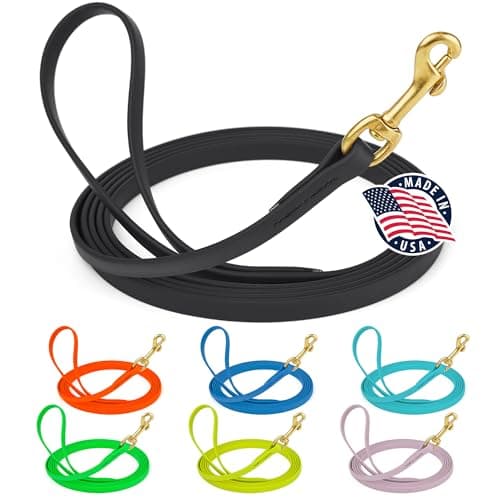
Heavy-Duty Dog Leashes for German Shepherds
Five leads for the three jobs a shepherd's leash actually does. Biothane leads on published material strength and on being the only one you can hose off after a wet field session.
Read the roundup →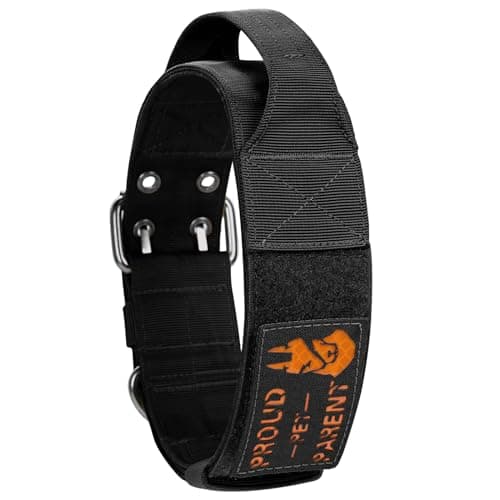
The Best Tactical Dog Collars
Ranked on the four features 'tactical' is supposed to buy rather than on styling. Two of the five picks do not look tactical at all, which is the finding.
Read the roundup →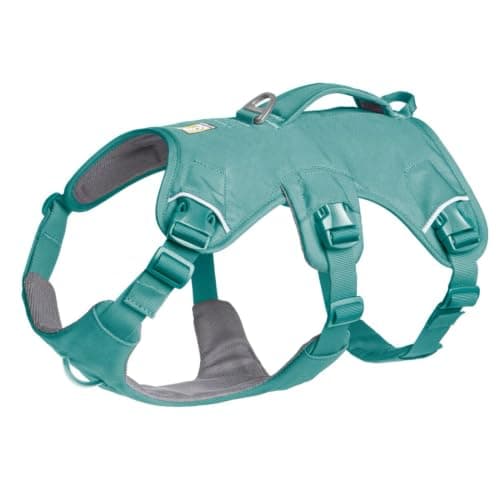
The Best Service Dog Harnesses
Five harnesses scored on hardware and structure, with the legal position sourced to ADA.gov: no vest is required, no registration exists, and staff may ask exactly two questions.
Read the roundup →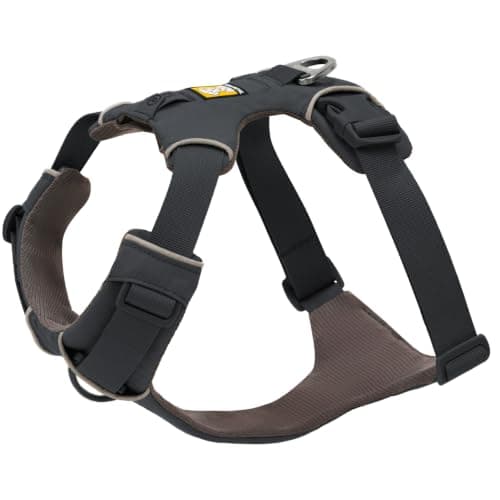
The Best Dog Harnesses for Small Dogs
Five harnesses judged on fit rather than strength. Ruffwear publishes girth sizing from 13 in; 2 Hounds Design starts at 14 in and is the only one here with a published webbing test figure.
Read the roundup →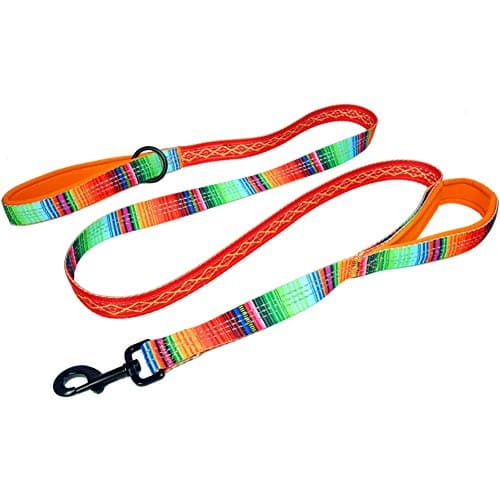
The Best Dog Leashes With Traffic Handles
Five double-handle leads ranked. Leashboss carries a five-year promise that does not carve out chewing; Kurgo's converts into a traffic lead and five other things.
Read the roundup →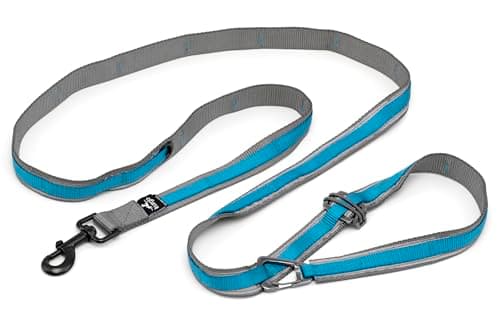
The Best Leashes for Walking Two Dogs
The honest answer is two independent leads on a belt, not a coupler. Five setups ranked, with the Kurgo the only one here that genuinely converts into a double-dog lead.
Read the roundup →The Best Heavy-Duty Dog Collar and Leash Sets
Three same-maker pairings scored as six separate products, because a set is only as good as its weaker half — and in bundles, that is almost always the leash.
Read the roundup →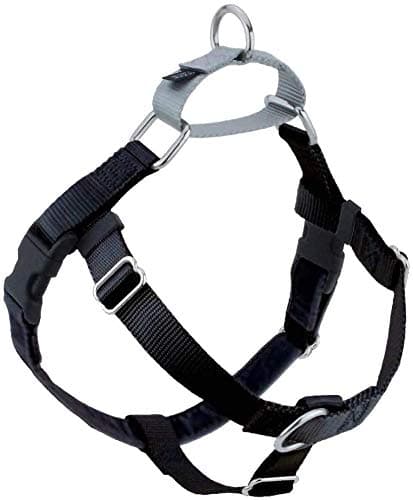
The Best Dog Harnesses for Large Dogs
The large-breed cut, ranked on the two things that decide it at 90 lb and up: whether the maker's largest size actually fits your dog, and whether the hardware has a number behind it.
Read the roundup →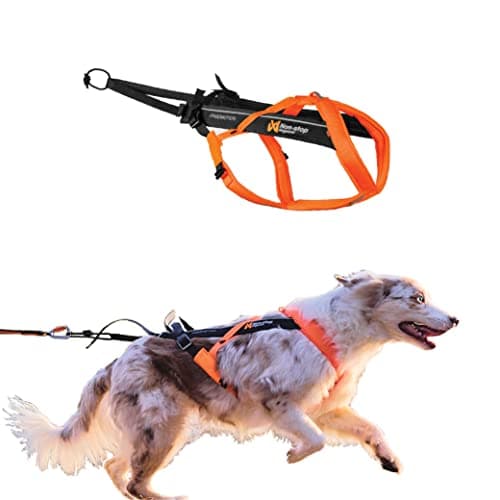
The Best Dog Pulling Harnesses
Harnesses built so the dog CAN pull. Ranked on geometry, material for the temperature you run in, and the back-length fit that decides whether any of it works.
Read the roundup →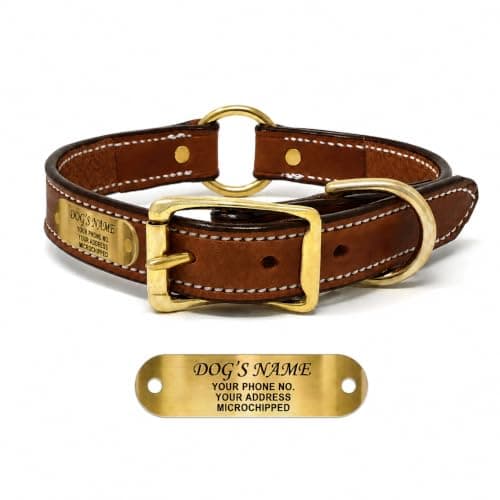
The Best Dog Collars With Nameplates
ID collars ranked on how the plate attaches, what it is made of, and what happens when the dog chews the strap. Exactly one maker publishes a warranty that covers that.
Read the roundup →The Best Tactical Dog Harnesses for Large Dogs
The tactical vest, judged at the size where it matters. Ranked on per-size load ratings, how many of the closures are actually metal, and the point at which the size charts stop.
Read the roundup →The Best BioThane Alternatives
What to buy instead of biothane, sorted by the reason you were looking: a steel cable for a chewer, a rope check cord for field work, heavy nylon with a warranty that covers chewing, or the cheap line.
Read the roundup →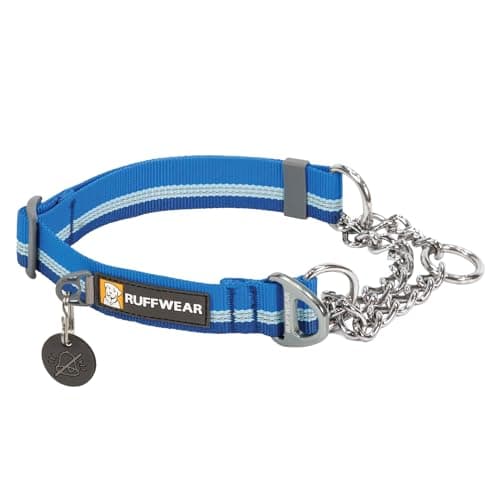
Heavy-Duty Dog Collars for Pit Bulls
Why the wedge-shaped neck makes escape, not webbing strength, the deciding spec — and the five collars worth owning, including the only one here that names its leather grade.
Read the roundup →The Best Dog Long Lines for Camping
Why a long line is not a tie-out, why coated webbing wins at a wet campsite, and four lines ranked - including the only one with a published break strength.
Read the roundup →Heavy-Duty Dog Collars for a Cane Corso
Why the buckle is the spec that decides a mastiff collar, which of the five publishes any strength figure at all, and the two things no maker in the category will state.
Read the roundup →The Best Dog Harnesses for Dachshunds
Why girth-only sizing fails a long dog, which harness publishes six adjustment points and a load-dispersing lift panel, and the one thing you should never do with a back handle on this breed.
Read the roundup →Single-product reviews
Ruffwear Web Master Harness Review
The handle harness everyone recommends, reviewed properly: five published materials, one glaring gap, and the cheaper Ruffwear model with twice the shell denier.
Read the review →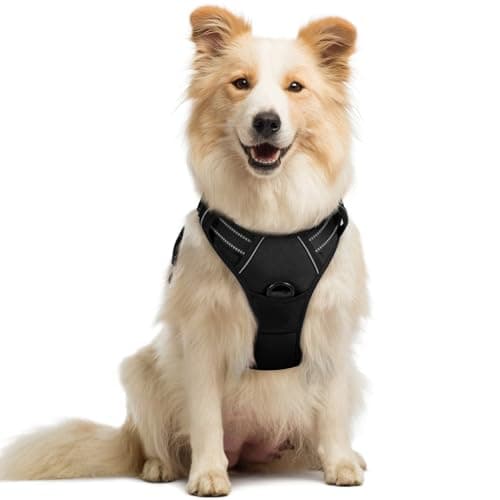
Rabbitgoo No-Pull Dog Harness Review
What the category's best-selling budget harness is genuinely good for, why the escape-proof search term is a misunderstanding, and the two dogs we would not put it on.
Read the review →Guides and comparisons
Dog Collar Materials: What Actually Lasts
What biothane, leather and nylon actually are — and the two pieces of terminology the industry consistently gets wrong.
Read the guide →Biothane vs Leather
A spec-by-spec comparison, and the one question that settles it: does your dog get wet?
Read the guide →How to Measure a Dog for a Harness
Girth is the measurement that decides harness fit, not weight. Where to put the tape, what to do when a dog falls between sizes, and how to check a fit you already own.
Read the guide →Dog Leash Clips, Explained
Bolt snap, trigger snap, frog clip or carabiner — what each one is, how each one fails, and why hardware catalogs publish working loads that dog brands refuse to.
Read the guide →When to Replace a Dog Harness
There is no published service life for dog gear. Here are the seven condition checks that actually decide it, and the ones that mean stop using it today.
Read the guide →Do Harnesses Help With Pulling?
Two peer-reviewed studies measured leash tension directly. Back-clip harnesses increased pulling; front-clip harnesses matched a prong collar. Where the clip sits is the whole answer.
Read the guide →What Is a Tactical Dog Collar?
There is no standard behind the word tactical. Four features are genuinely functional, three are costume, and the product page usually tells you which you are buying.
Read the guide →Dog Harness vs Collar
The evidence-first comparison: what is actually documented about collars, what is merely repeated, and the gait findings that cut against harnesses.
Read the guide →No-Pull Harness vs Head Halter
Leverage versus acceptance. A head halter gives more control on a very strong dog; a front-clip harness works on day one and carries no neck-torque risk.
Read the guide →Leather vs Nylon Dog Collar
Full-grain leather outlives nylon by years; bonded leather fails faster than the cheapest webbing. How to tell which one is in front of you.
Read the guide →No-Pull vs Regular Dog Harness
The difference is where the leash attaches, not the label. Shih et al. measured a back-connection harness producing the highest leash tension of anything tested — more than a collar.
Read the guide →Service Dog Vest vs Cape
Neither is legally required — the ADA mandates no equipment and no US registry exists. The real differences are heat load, coverage and patch area, which is what this page compares.
Read the guide →Are Wide Dog Collars Better?
Width spreads a lead's load over more neck, which is real physics and worth having on a strong dog. It is also not a strength spec, and it is the wrong answer for pulling, slipping and long coats.
Read the guide →Are Leather Dog Collars Safe?
No leather collar we have assessed publishes its tannage and most hide the grade, so a spec sheet cannot answer the safety question. What you can check: closure type, hardware, how it handles water, and fit.
Read the guide →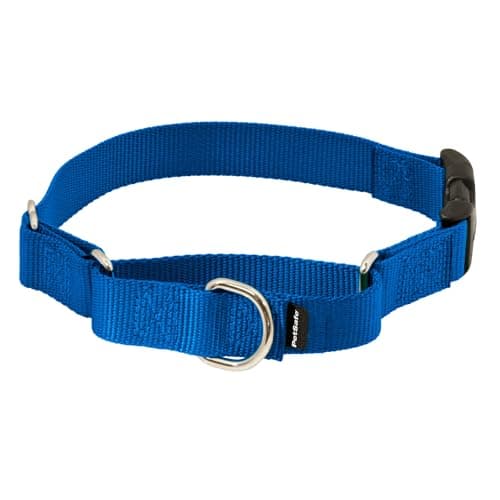
Is a Martingale Collar Safe for a Puppy?
Safe on a handled walk and the right answer for a puppy that backs out of a flat collar. Never on an unsupervised or crated puppy - and why a growing neck changes which design you buy.
Read the guide →Which Dog Gear Is Actually Made in the USA?
What genuinely publishes US manufacture, what 'engineered in the USA' actually means, and why the stainless bowl query has no honest answer in this category yet.
Read the guide →Dog Collars With Handles
Why this category is one product deep, what a neck handle is genuinely good for, and the traffic-handle leash that delivers the same close control without loading the throat.
Read the guide →The Best Dog Gear for Huskies
The four pieces that actually matter for an escape-prone, double-coated running dog — and the fitting problem a thick undercoat creates that no size chart accounts for.
Read the guide →